Attic and roof insulation in Kerry, Cork and Limerick
Attic and rafter level insulation with the ventilation kept clear, so the roof stays dry. Done at the same time as a re-roof it costs less than a separate job.
Also searched as attic insulation, loft insulation, roof insulation and insulating between the rafters.
Updated September 2026
Want to know if this suits your roof? Send a photo to WhatsApp and we will say straight.
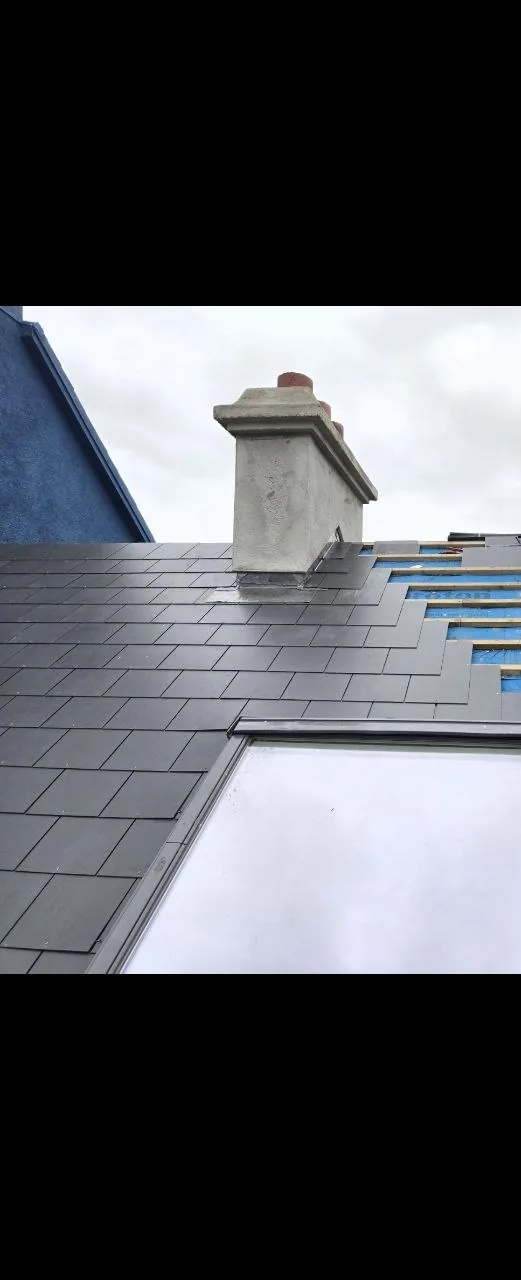
Roofs this suits
Cold attics and upstairs rooms
Attic conversions at rafter level
Houses with thin or settled insulation
Re-roofs where the attic is open anyway
Ventilation matters as much as thickness, otherwise condensation follows.
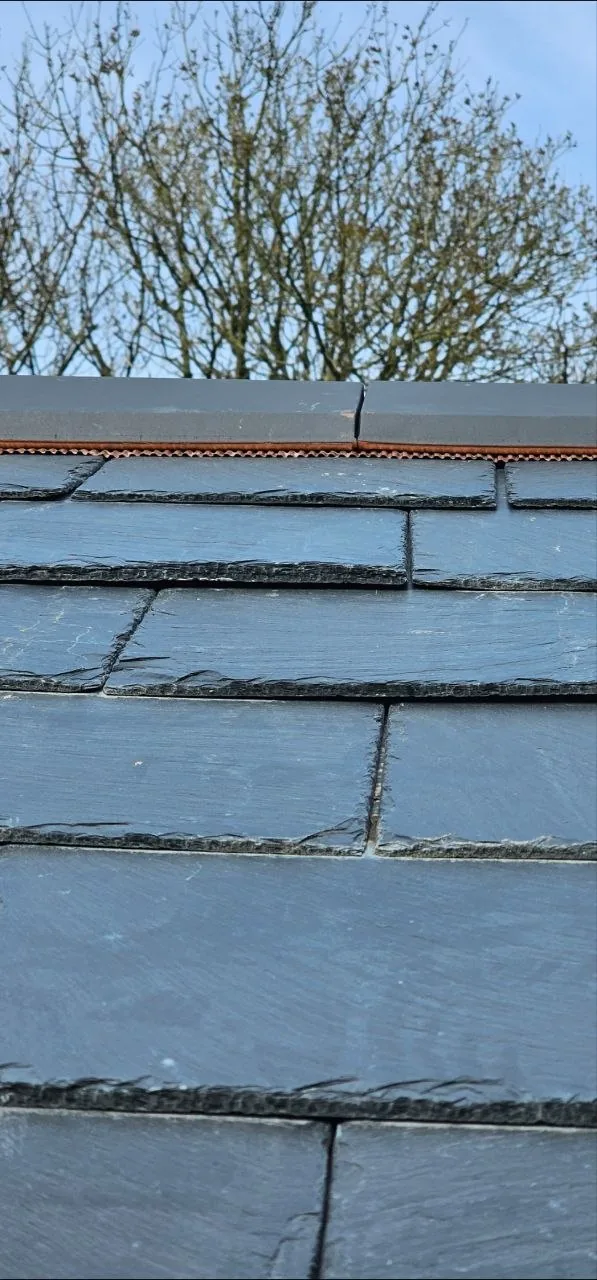
What you get for the money
Cuts heating bills for a small outlay
Cheapest while the attic is already open
Warmer upstairs rooms in winter
Ventilation has to be kept clear or condensation follows.
Roof insulation, in numbers
Target U-value
0.16 W/m2K for a roof under current Irish building regulations. Most houses built before 2000 are nowhere near it
At ceiling level
Around 300 mm of mineral wool, cross-laid. Older houses typically have 100 mm, settled down to less
At rafter level
For attic conversions, typically 100 to 150 mm of rigid board between and under the rafters depending on the board
Ventilation
A clear 50 mm air path above the insulation and 25 mm continuous ventilation at the eaves. This is not optional
Fitted price guide
Roughly EUR 18 to EUR 35 per square metre at ceiling level, more at rafter level
Grants
SEAI grants are available for attic insulation. Amounts and conditions change, so check seai.ie for the current figure
Guide figures for the south west. Done while the attic is already open for a re-roof, the labour is a fraction of what it costs as a standalone visit.
Thickness is half of it, ventilation is the other half
Most Irish attics we open have about 100 mm of mineral wool from the seventies or eighties, compressed and settled to rather less than that. The current standard is around 300 mm, cross-laid so there are no gaps at the joists. It is one of the cheapest things you can do to a house and it shows up on the heating bill in the first winter.
The half people skip is ventilation. Pack insulation tight into the eaves and you block the air path that keeps the roof timbers dry. The upstairs rooms get warmer, the attic gets colder, and condensation forms on the underside of the felt and drips onto the new insulation. We fit eaves trays to hold a clear 50 mm path and keep a 25 mm continuous vent at the eaves.
Rafter level is a different job again, for attic conversions where the room is inside the roof. There the insulation goes between and under the rafters with the ventilation path kept above it, and it is far easier and cheaper to do while the roof is off for a re-roof than afterwards from inside. If we are already doing your fascia and eaves, that is the moment to sort the ventilation properly.
Roof insulation, asked and answered
How much insulation should an Irish attic have?
Around 300 mm of mineral wool at ceiling level to hit the current standard. If you can see the tops of the joists when you look across your attic, you have well under half of that.
Will insulating my attic cause condensation?
It will if the ventilation is blocked when the insulation goes in, which is exactly what happens when it is stuffed into the eaves. Done with eaves trays and a clear air path above it, no. The colder attic is the point, and it only causes trouble if the moist air cannot get out.
Is there a grant for attic insulation?
Yes, SEAI runs grants for attic insulation and the amount depends on the size of the house. Rates and eligibility change, so check the current figures on seai.ie before budgeting.
Should I do it at the same time as the roof?
If the roof is coming off anyway, yes. The access is already there and the scaffold is already up, so the extra cost is mostly material. Doing it as a separate job a year later costs a good deal more for the same result.
How much does attic insulation cost?
Bringing an accessible attic up to 300 mm usually costs €800 to €1,200 on a semi-detached house and €1,200 to €2,000 on a detached house. The SEAI grant often covers a large part of that, so check the current rates on seai.ie. Board flooring, difficult access or removing old insulation add to the price.
We work with what suits the building
Not sure which material suits your roof?
Send us the address and a couple of photos. We will tell you straight what the roof needs, what it costs and how long it takes.